What Type of Animals Live in Iraq What Type of Art Do They Have in Iraq
ten Animals Constitute In Republic of iraq
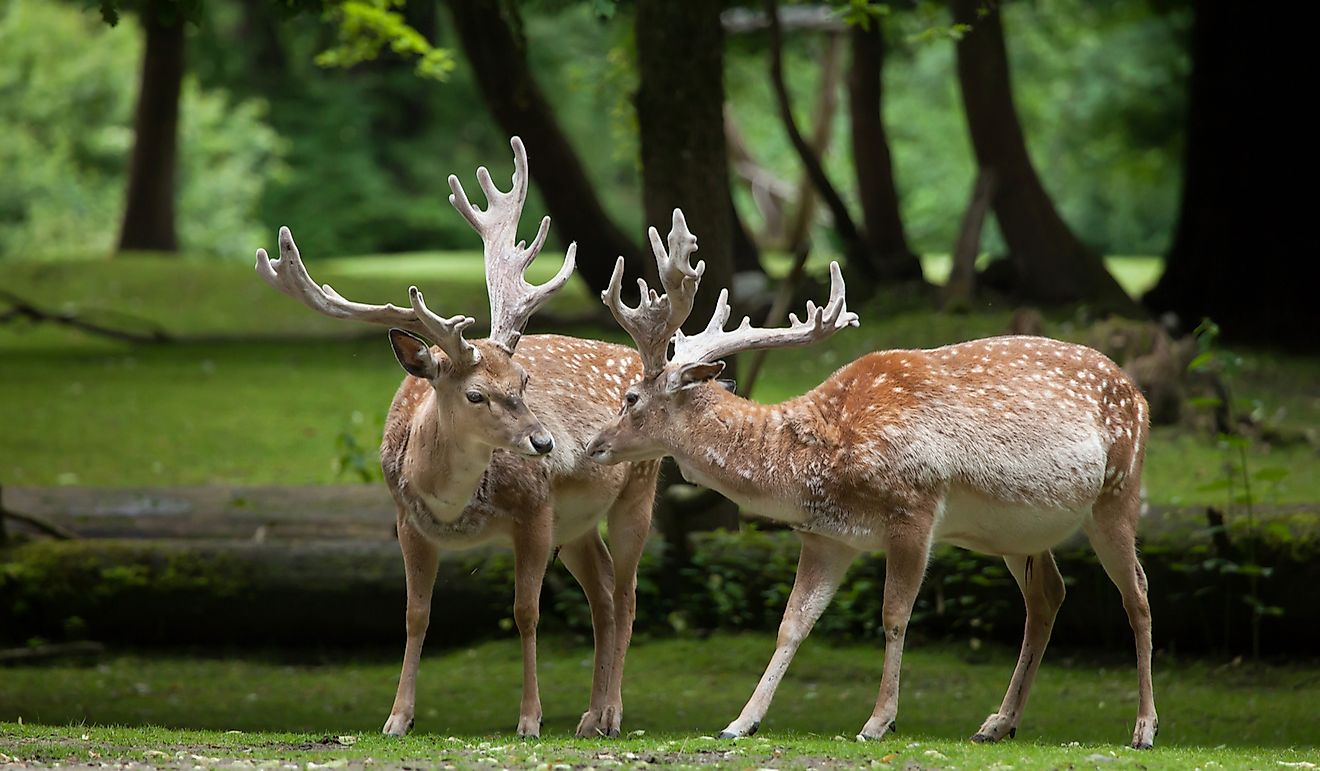
Iraq is an Asian country located in western Asia. Its neighboring states are Jordan, Kuwait, Turkey, Iran, Syria, and Saudi Arabia. Iraq became a democracy on July 14, 1958. Its capital letter and largest urban center is Baghdad. Although information technology is a war-torn state, Republic of iraq is endowed with many unique animal species as discussed beneath;
1. Persian Onager
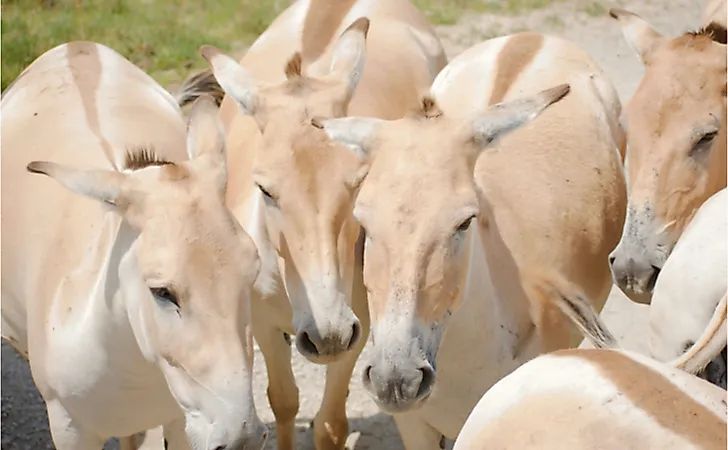
The Persian onager is scientifically chosenEquus heminous onager.It is also known as the Asiatic wild ass or the Persian wild ass. The onagers are the smallest in size in comparison to the four subspecies of the Asiatic wild ass. They accept a pale sandy red coat, short tails, and weigh 200-260 kg. Male onagers are slightly larger than females. The Persian onagers alive in the desert, semi-desert, and mountain steppes of Iraq. They feed on vegetation such equally herbs, grasses, foliage, and bushes. The lifespan of an onager in the wild is reported to be approximately 40 years.
2. Gilded Jackal
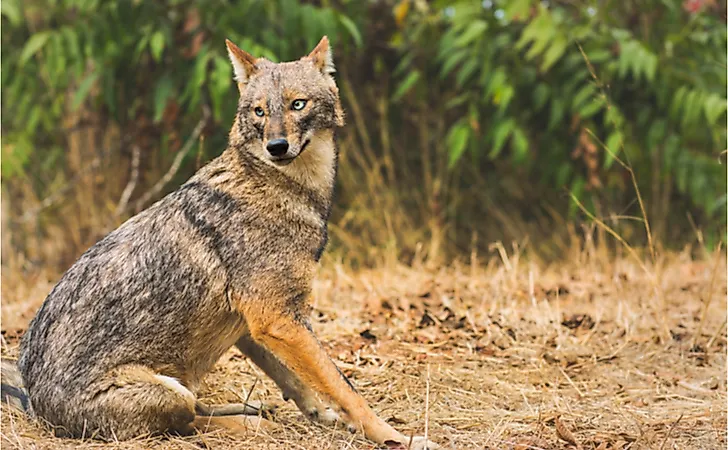
The Golden jackals are also known as the common jackal and scientifically called theCanis aureus. They are canine animals resembling coyotes which grow upward to 70 to 85 cm lengthwise. The aureate jackals besides possess fluffy 25-cm-long tails and long ears. They weigh from half-dozen to 12 kg. Regarding their feeding habits, the jackals are omnivores, scavengers, and opportunistic eaters. Gilt jackals mate for life with the females going through a gestation menstruum is 57 to seventy days. They live for 10 to 12 years.
three. Persian Dormant Deer
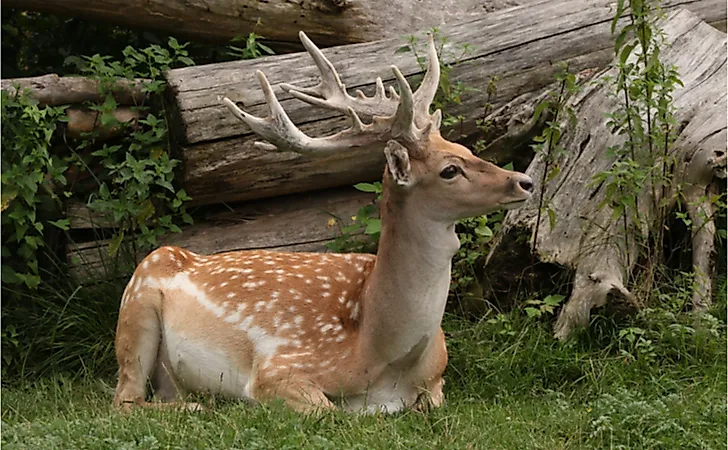
The Western farsi fallow deer is scientifically calledDama dama mesopotamica.They are closely related to the dormant deer simply are larger and possess bigger antlers. These animals have a uniquely beautiful coat with colors ranging from brown to black with pure white beautiful spots. Western farsi fallow deer are very social animals who live in herds. They possess very good vision in the nighttime and tin communicate with body language, smells, and vocal sounds. The Persian fallow deer is an endangered species in Iraq due to habitat destruction and homo poaching. These animals live upward to 12 to 25 years.
4. Bactrian Camel
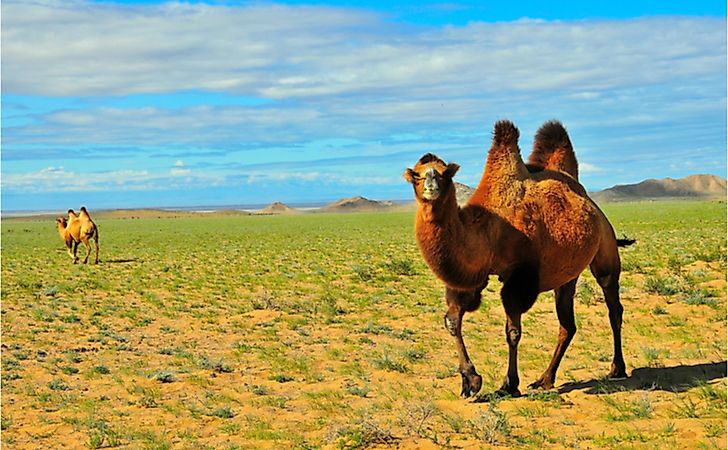
The Bactrian camel is scientifically known asCamelus bactrianus. It has been nicknamed "beast of burden" and "transport of the desert" due to its power to transport luggage across the desert. These camels are generally plant in the desert prairies and steppes of Iraq in herds led by a male person camel. Fully grown Bactrian camels weigh 600 to k kg and abound equally alpine as 1.8 meters. They have long legs, big-lipped snouts, and two humps that are essential for food storage. Bactrian camels can beverage upwards to 30 gallons of water at a get and survive for nigh six months without food and water. These animals have a lifespan of 18 years.
five. Goitered Gazelle
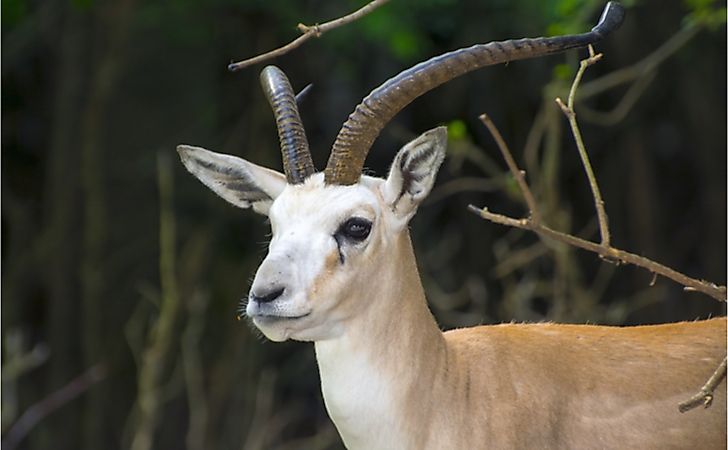
The goitered gazelle or black-tailed gazelle is scientifically calledGazella subgutturosa.Its name was coined from the goiter-similar enlargement that appears on the throats of males during mating seasons. The goitered gazelles take brown fur, white bellies and patches of white on the confront. Their tails are short and blackness. These gazelles inhabit grasslands, shrublands, mountain valleys, deserts, and semi-deserts of Iraq. They graze in groups and are polygamous. The life span of the goitered gazelles is 12 to 20 years.
half-dozen. Ruby-Breasted Goose
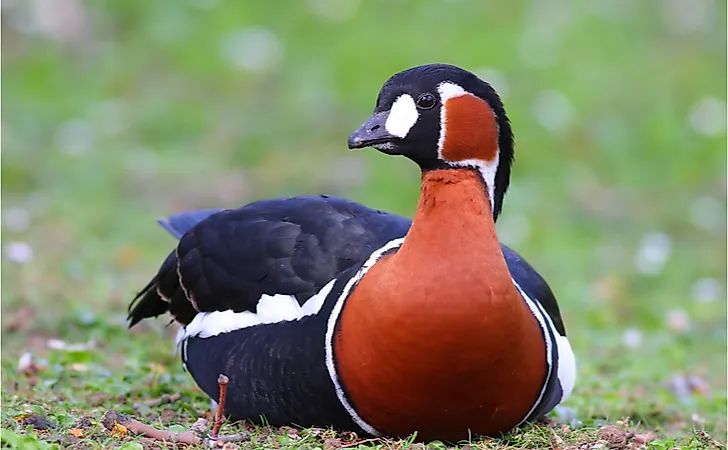
The Red-Breasted Goose is scientifically known asBranta ruficollis. It is black and white; with a conspicuous ruby breast, black forehead, and white stripes on the flanks. The bird inhabits the tundra and steppes in northern Republic of iraq where it feeds on grass, leaves, stems, wheat, barley, and tubers. Information technology is difficult to estimate the population of the Cherry-Breasted Goose due to its wide wintering range of near one.2 million square kilometers. However, their survival is threatened past water and air pollution, habitat loss, likewise as predators such as foxes, hawks, and eagles.
7. Caucasian Squirrel
The Caucasian squirrel is scientifically known asSciurus dissonant. They are small tree squirrels with grayish brown to pale gray fur. They grow up to 32-36 cm in length and weigh 260-410 grams. Coniferous, mixed temperate oak, and pine forests are the preferred habitats for the Caucasian squirrels. However, they also inhabit rocks and crevices. They feed on nuts, seeds, buds, pino corn, and fruits. Caucasian squirrels breed twice a year and have a lifespan of 7 to 10 years.
8. European Hare
The European hare is scientifically known asLepus europaeus.They possess long ears, brown fur, and are very agile. This hare's eyes are such that they can see a range of 360° without moving its caput. The European hare are nocturnal herbivores that exhibit a polygamous style of life. Females give birth in dugout depressions in the ground to young ones who are weaned afterwards only four weeks after nascence. A fully grown European hare weighs 4 to 6 kg. The population of the European hare is on the decline due to poaching, sporting, and predation. It is too affected past diseases like coccidiosis, tularemia, and pasteurellosis.
9. Indian Crested Porcupine
The Indian crested porcupine is scientifically known as theHystrix indica. It inhabits the rocky hillsides, forests, grasslands, and temperate scrublands of Iraq. These nocturnal rodents possess long and formidable quills of almost 16 inches for defense. Rattling sounds made by the porcupine indicates that it is angry. The Indian crested porcupines are herbivores feeding on grains, roots, and fruits. Porcupines are hunted for their meat and also face habitat degradation by encroaching population.
10. Wild Goat
The wild caprine animal is scientifically known asCapran aegagrus.They are native to the Zagros Mountains in Iraq which is habitation to well-nigh 250 different species of wild goats. The wild goats as well inhabit forests, shrublands, and rocky areas and would entirely feed on vegetation. Hunting, poaching, and habitat loss are a large threat to the survival of the wild goats. As a result, the government of Iraq has created 2 protected areas for them namely the Peramagroon and Barzan Mountain. The lifespan of a wild caprine animal is 10 to xvi years.
Source: https://www.worldatlas.com/articles/10-animals-found-in-iraq.html
0 Response to "What Type of Animals Live in Iraq What Type of Art Do They Have in Iraq"
Post a Comment